
Food & Hospitality Strategy Blog
Stay ahead in the food and hospitality industry with Future Food Blog. Get the latest news, trends, insights, and expert analysis on food innovations, restaurant strategies, sustainability, and more. Discover what’s shaping the future of dining, food technology, and hospitality with expert commentary and in-depth articles.
Subscribe to Food Matters

The Commercial Catering ‘shake up’ is here and been brewing for a while – what 2022 holds
The last few months in the commercial catering world has been a hive of behind the scenes activity and jostling for position in a stayed market, as the pandemic has accelerated senior management team’s collective inertia or depending on who you talk to, the more fashionable ‘agile pivot’. Perhaps, some of these recent moves could be more accurately described as being wedged into a corner through previous strategic and/or marginal decisions (made under relatively normal and even buoyant times), come home to roost in less than exceptional times. But while the congratulations, back slapping and commiserations are shared around – who is actually looking after the customer? Let’s find out.

Towards the end of each calendar year, we like to take a look back at how the industry has shifted, the trends that have taken off, and try to pre-empt the future face of the industry. This year we are embarking on the same assignment, however the impact Covid lockdowns have had on the industry, especially in Melbourne, and to a lesser extent Sydney, we know that the future face of the industry may have been changed forever.

Embracing Change to Survive and Maximise Food Service Sales
Australia’s two major cities have currently been in lockdown for over ten weeks with Melbourne now being in lockdown longer than any city in the world, 246 days so far and one month remaining. The prolonged closures on food and beverage venues have ranged from hard to devastating, not just from a sales perspective, but on the lives of hospitality workers and their families.
However, creative food and hospitality operators have managed to innovate, stay agile, plan for the end in sight and have reinvented their business in order to prepare for the huge demand that his been building up and will let rip once the lockdowns end. Cafés and restaurants, along with bars and hairdressers are at the top of everyone’s to do list.

Independent Property Developments, Big or Small, are Creative, Best In Class Food Precincts.
Future Food gets to work on large projects, and we love the city shaping scope of a big development. Yet some of the more interesting projects that we've been working on over the last 24-36 months have been those from private independent developers.
The level of entrepreneurship, creativity, artistic direction, attention to detail and placemaking makes these vibrant projects and developments, truly exciting platforms to work with. Our recent partnership with companies like Perri Projects and Pellicano have allowed us to contribute to more boutique personalised projects. Creating a food strategy and operating model for these developments requires a subtle approach that considers each development through the perspective of its target users.
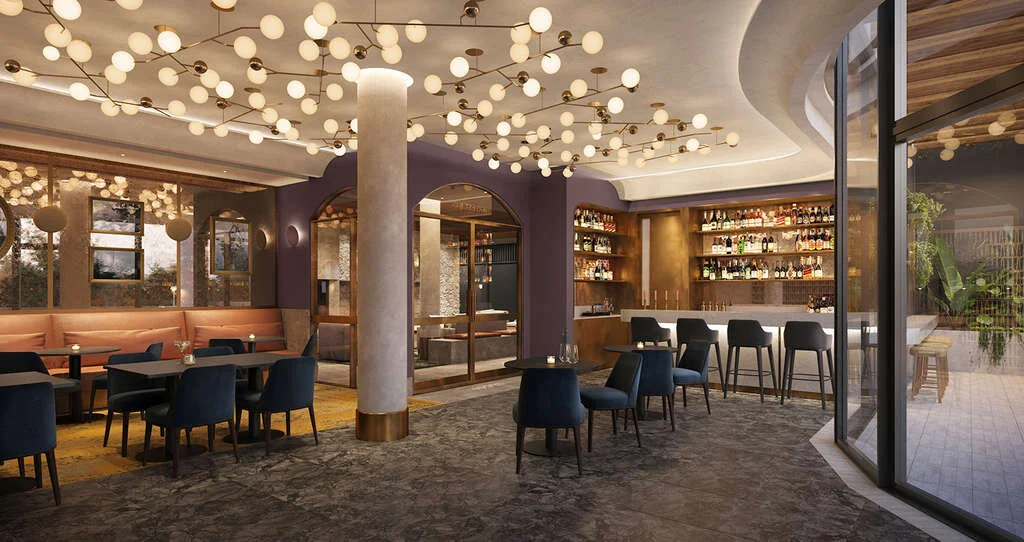
The elevation of F&B in the Hotel industry
Future Food are leaders in Food & Hospitality Consulting to the hotel industry, partnering with developers and hotel operators around the world to maximise the benefit food and beverage can bring to their property.
Throughout 2018/2019 it seemed that every week we were picking up the newspaper and reading announcements of the “Next New” hotel being built in one of our capital cities, or the first of its kind new ‘Lifestyle’ hotel brand entering the market to cater towards new customer demands in the aspirational hotel market.
With the introduction of brands like 25 Hours Hotels by Accor, Voco Hotels by IHG and W Hotels by Marriott, it appeared that the ‘lifestyle’ product was on-trend and in high demand, yet the announcement of global leaders including St Regis, Ritz Carlton and Mandarin Oriental also eyeing off new locations in Sydney, Perth and Melbourne revealed the push across all levels of hotel positioning.
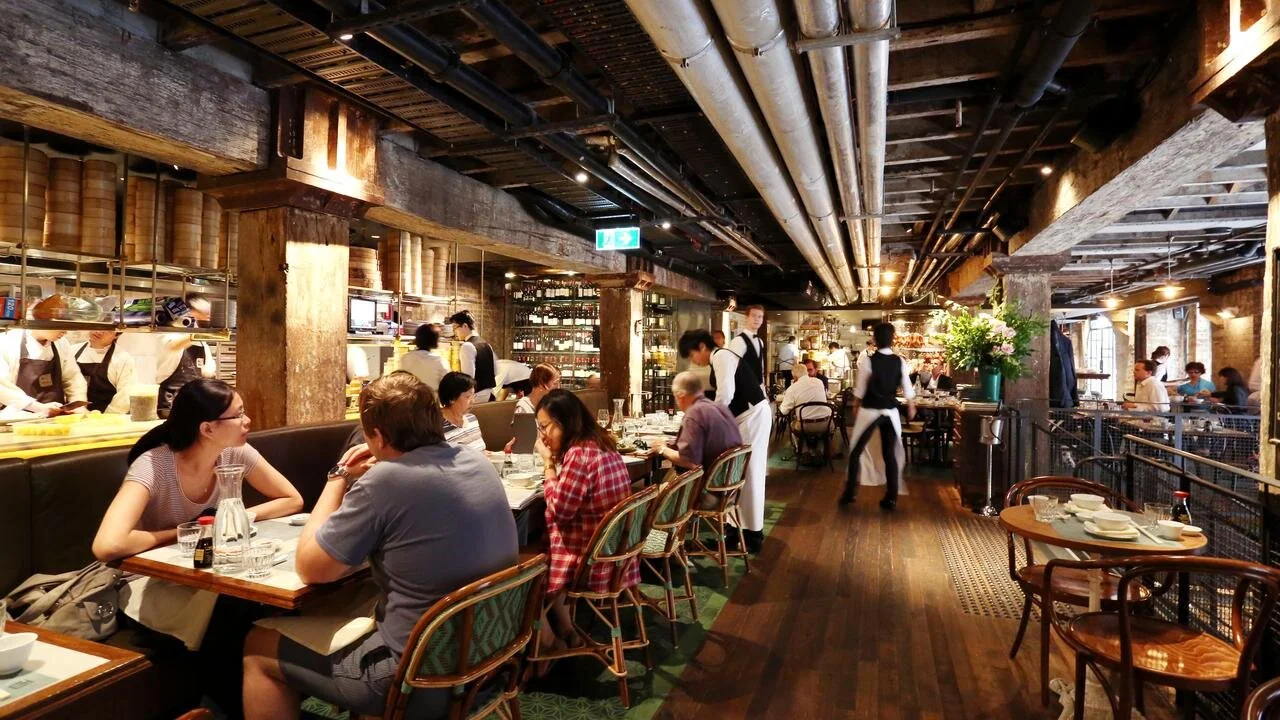
How the tables have turned on turning tables
The hospitality industry - restaurants, cafes and the very people that operate these establishments - have received considerable customer backlash of late as they seek to receive advance payment for future table bookings. Venues are requiring pre-payment as a strategy to reduce the costs of no-shows which slow their financial recovery caused by the pandemic. By establishing a degree of commitment from their future customers, restaurateurs can eliminate the considerable financial harm caused by the unconscionable conduct of some customers.

Hospitality Mindset – A sales & service maximiser approach (Part 2)
In part one of this article, I spoke about the customer’s timeless desire and appreciation of quality food and service and how this is the platform from which to drive food and hospitality sales.
Let us be clear from the outset, it is all about sales. Why? because Food+Design+Service =Sales=Rent=Profit=Asset Growth.
In a post-corona world, (at least in Australia and New Zealand,) we have new expectations of our cafes, restaurants, pubs, roof-top bars and food halls, as we all strive to regain daily routine and a comfort-level in the next-normal.

Hospitality Mindset – It’s All About The Customer
The Business of Food starts with thinking about hospitality – I call it a Consumer-First Approach. One that consistently excites as well as offers choice, efficiency, value, quality and consistency. Food and hospitality spend across the globe is on the rise, with all sectors vying for the food-dollar. Where the customer decides to spend is highly dependent on how well the food operator has considered the customers aspirations and their needs and aligned these with a clearly defined ‘Hospitality Mindset’. Time and time again, this presents as a memorable experience-proposition. A strategic blend of art and science is required by all operators to ensure a return on experience for every customer. The trilogy of design, food and service cannot be separated, as they represent the cornerstone first principles, and when combined with psychology, emotions and passion, produce a successful recipe every time.

Trends for 2022: Re-engaging with Food in a Design Led World
2021 is going to be, in the parlance of your local footy team, a rebuilding year. So much damage has been done to retail in general and hospitality in particular this year that 2021 is going to be a year to heal, slowly getting back on public transport and getting settled into the Next Normal.
2022, then, is shaping up as a really interesting year. The food operators that survived the pandemic, and especially those that opened during it, are battle-hardened and realistic: An excellent foundation on which to rebuild Food and Hospitality. With the gradual renaissance of the CBD and face-to-face interactions, there is ample scope to start contemplating how to harness and encourage demand.
Read More
-
2017
- 11 Jan 2017 2017's Food, Beverage and Hospitality Trends 11 Jan 2017
- 18 Jan 2017 Eating out in Australia: 2016 (Australian Food Statistics) 18 Jan 2017
-
2020
- 8 Apr 2020 A Bridge Somewhere - Going back to basics 8 Apr 2020
- 22 Apr 2020 Modern Elevated Standards of Campus F&B 22 Apr 2020
- 21 May 2020 Five Food & Hospitality Trends for a Post-Lockdown World 21 May 2020
- 29 May 2020 Execution Is Everything: Melbourne Shopping Centres Post-COVID 29 May 2020
- 5 June 2020 Food & hospitality is open for business 5 June 2020
- 15 June 2020 The Brand Journey Out of COVID #3: Global Food Consultancy Insights 15 June 2020
- 17 June 2020 How food and hospitality can flourish in the next normal 17 June 2020
- 7 July 2020 The Australian Craft Beverage Movement – Reshaping the F&B Landscape 7 July 2020
- 15 July 2020 Food & Design: A Partnership For Success 15 July 2020
- 29 July 2020 Food & Beverage Strategy - Future Focused 29 July 2020
- 12 Aug 2020 Food & Beverage Strategy - Future Focused Part 2 12 Aug 2020
- 27 Aug 2020 Outdoor Dining is a way of life and a way forward for Food & Beverage 27 Aug 2020
- 9 Sept 2020 EOI Campaigns “A crucial piece of the puzzle” 9 Sept 2020
- 23 Sept 2020 Reconnecting with Customers 23 Sept 2020
- 8 Oct 2020 F&B Operator Procurement Strategies – Delivering on the Vision 8 Oct 2020
- 22 Oct 2020 Trends for 2022: Re-engaging with Food in a Design Led World 22 Oct 2020
- 11 Nov 2020 Hospitality Mindset – It’s All About The Customer 11 Nov 2020
- 17 Nov 2020 Hospitality Mindset – A sales & service maximiser approach (Part 2) 17 Nov 2020
- 2 Dec 2020 How the tables have turned on turning tables 2 Dec 2020
- 16 Dec 2020 Food & Hospitality Restaurant Openings & a Taste of What Was 2020 16 Dec 2020
-
2021
- 20 Jan 2021 Melbourne vs Sydney - What makes a ‘Sydney’ restaurant? 20 Jan 2021
- 10 Feb 2021 Experience the Experience 10 Feb 2021
- 2 Mar 2021 Remaining Relevant in the Age of Digital Disruption 2 Mar 2021
- 24 Mar 2021 Business Partnerships – A Strategic ‘Food Focussed’ Approach 24 Mar 2021
- 21 Apr 2021 Two Cultures – One Contract – Using Leadership to Deliver 21 Apr 2021
- 26 May 2021 The Art of Great Service 26 May 2021
- 17 June 2021 Future Hospitality Trends in Stadium & Sporting / Entertainment Precincts 17 June 2021
- 14 July 2021 The elevation of F&B in the Hotel industry 14 July 2021
- 16 Aug 2021 Forward Thinking Food and Hospitality Culture to Drive FIFO worker Retention 16 Aug 2021
- 8 Sept 2021 Independent Property Developments, Big or Small, are Creative, Best In Class Food Precincts. 8 Sept 2021
- 6 Oct 2021 Embracing Change to Survive and Maximise Food Service Sales 6 Oct 2021
- 8 Nov 2021 Blog titles 2.jpg 8 Nov 2021
- 1 Dec 2021 The Commercial Catering ‘shake up’ is here and been brewing for a while – what 2022 holds 1 Dec 2021
-
2022
- 14 Jan 2022 When Pleasure Turns To Pain For Hospitality Owners, Staff & Customers 14 Jan 2022
- 23 Mar 2022 Food Consulting and the re-imagination of industrial space. (Copy) 23 Mar 2022
- 24 Mar 2022 Data Driven Decisions for Food & Beverage 24 Mar 2022
- 21 Apr 2022 Food, Hospitality & Wellness ‘Places’ Transcending the Resources & Mining Village Work-Life Experience 21 Apr 2022
- 11 May 2022 HOSPITALITY WORKFORCE THE KEY TO BUSINESS SUCCESS 11 May 2022
- 27 June 2022 Shifting Strategic Approach to EOI – A Win-Win Solution for Food Operators, Landlords & Developers 27 June 2022
- 21 July 2022 The World of Hospitality in Mixed-Use Developments - A Powerhouse of Sales, Rental & Asset Growth 21 July 2022
- 11 Aug 2022 Hospitality Strategies Deliver Clubs as Lifestyle Destinations 11 Aug 2022
- 20 Oct 2022 Conquering the challenges of ‘Family Dining’ 20 Oct 2022
- 22 Nov 2022 Using Food & Hospitality to bridge the gap between Live-in Work Life and Home Life 22 Nov 2022
-
2023
- 28 June 2023 A new Era for Food & Hospitality in Commercial Property & Office Buildings 28 June 2023
- 31 July 2023 Customised EOI procurement strategies – find the right F&B partner to achieve best practice outcomes. 31 July 2023
- 7 Sept 2023 Adapting to Changing Consumer Food and Hospitality Needs Amidst Rising Cost of Living Pressures 7 Sept 2023
- 28 Sept 2023 The future strategies of fresh food markets in Australia – what's on the horizon? 28 Sept 2023
- 20 Oct 2023 Connecting great Clubs with great Food and Beverage Operators 20 Oct 2023
- 31 Oct 2023 The Devil is in The Detail – providing avenues for asset growth through F&B operational excellence 31 Oct 2023
- 4 Dec 2023 A 2023 Snapshot – The Diversification and Evolution of Future Food 4 Dec 2023
-
2024
- 15 Apr 2024 High-performance cost of goods – maximising results for Clubs 15 Apr 2024
- 4 June 2024 How Food and Dining is shaping a nation; driving social & cultural change, in the Kingdom of Saudi Arabia 4 June 2024
- 8 July 2024 Successful Food Procurement RFP Delivers Exceptional Results Across Clubs 8 July 2024
- 9 Sept 2024 'Local' Food and Hospitality influences in the Business of Food 9 Sept 2024
- 8 Oct 2024 Evolve to Thrive: Strategic Food & Beverage Planning for Clubs 8 Oct 2024
- 28 Nov 2024 2025 Food and Hospitality Trends Reshaping the Australian landscape 28 Nov 2024
-
2025
- 7 Mar 2025 Supercharge Your F&B Strategy... 7 Mar 2025
- 30 May 2025 A New Era for Hospitality: Technology That's Re-defining How We Work 30 May 2025
- 1 Aug 2025 Appetite for Change: Food & Beverage is Rewriting the Retail Rulebook 1 Aug 2025
- 2 Sept 2025 Rethinking Food & Hospitality Procurement: Why the EOI Approach Delivers Better Results 2 Sept 2025
- 14 Oct 2025 From Idea to F&B Concept: Realising the Vision 14 Oct 2025
- 6 Nov 2025 Hospitality That Elevates The Promise of Place 6 Nov 2025
- 19 Dec 2025 Strategic Foresight: Australian Food and Hospitality Trends 2026 19 Dec 2025
-
2026
- 7 Apr 2026 Food & Hospitality Strategy in Precincts, Districts and Megaprojects. 7 Apr 2026
- 21 Apr 2026 From Place to Performance: Masterplanning Food & Hospitality 21 Apr 2026
- 4 Aug 2026 From Concessions to Destinations: Australia’s Changing Stadium Hospitality Paradigm 4 Aug 2026
- 14 Sept 2026 Feeding the Campus: Why Food Insecurity and Commercial Viability Don't Have to Compete 14 Sept 2026