
Strategic Foresight: Australian Food and Hospitality Trends 2026
As we approach 2026, the Australian food and hospitality landscape is undergoing significant transformation. AI-driven insights are reshaping how businesses plan and operate, yet the most successful outcomes continue to emerge from those who balance technology with authentic cultural understanding and experience-led design.
Across Australia's diverse hospitality sectors, from airports to urban regeneration precincts, the common thread is clear: emerging trends are manifesting differently within each context, requiring nuanced understanding of both overarching patterns and sub-sector specific realities.
As investment across airports, universities, mixed-use precincts and destination developments continues, food and hospitality strategy is becoming an increasingly important commercial driver. These trends highlight where clients are focusing investment and the opportunities shaping future projects.
At Future Food, we see these manifestations occur first-hand in the projects we support and the consultancies that we lead. The following provides a snapshot of some of the biggest impressions that we have seen this year and how these trends are set to shape the landscape across 2026.
Airports: The Experience Terminal
Australian airports are evolving beyond transit points into sophisticated hospitality destinations. Industry research reveals that 44% of travellers say local food connects them to a destination, while 40% value local products for reflecting identity. This presents a compelling opportunity for airports across major Australian cities to showcase regional cuisine and craft.
Contemporary airport dining design emphasises open kitchens, technology integration, and spaces that resemble neighbourhood restaurants rather than traditional concessions. The operational shift involves reimagining food courts as experiential precincts with theatre kitchens, speciality coffee bars, and grab-and-go formats that showcase premium local produce with transparent provenance.
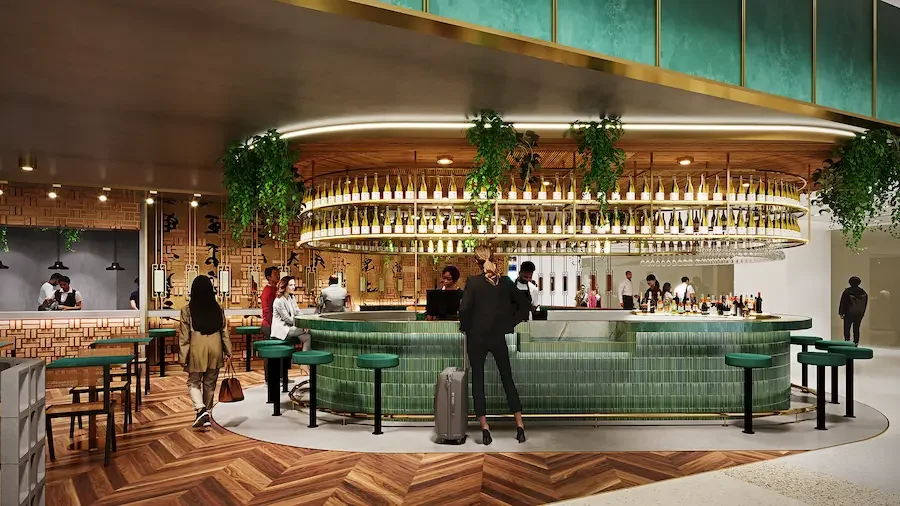
The redevelopment of the F&B offer at Sydney’s T3 Qantas terminal. A 2025 Future Food airport project. Image courtesy of Sydney Airport.
The protein trend translates powerfully in airport environments, where time-poor travellers seek functional nutrition through breakfast bowls, protein-packed wraps, and enhanced smoothies. These offerings are being delivered through efficient operational models, AI-optimised menus, and CRM systems that remember frequent flyer preferences.
However, research consistently shows that human connection (empathy, proactive staff interactions, genuine assistance) grows in importance alongside technology-driven efficiency. The balance between seamless digital ordering and genuine hospitality creates what the industry call "meaningful moments" that have the potential to reduce travel anxiety.
Sustainability expectations are rising, with passengers increasingly valuing partnerships with local suppliers and elimination of single-use plastics. The premium pricing of airport food is becoming more acceptable when justified through exclusive offerings, local ingredients, and credible sustainability credentials.
Hotels: The Hyper-Localised Luxury Experience
Australian hotel prices have shown an 11% decline when compared with the first half of 2025, creating pressure on assets to differentiate through experience rather than pricing alone. The opportunity lies in embracing casual luxury formats and hyper-local culinary storytelling.
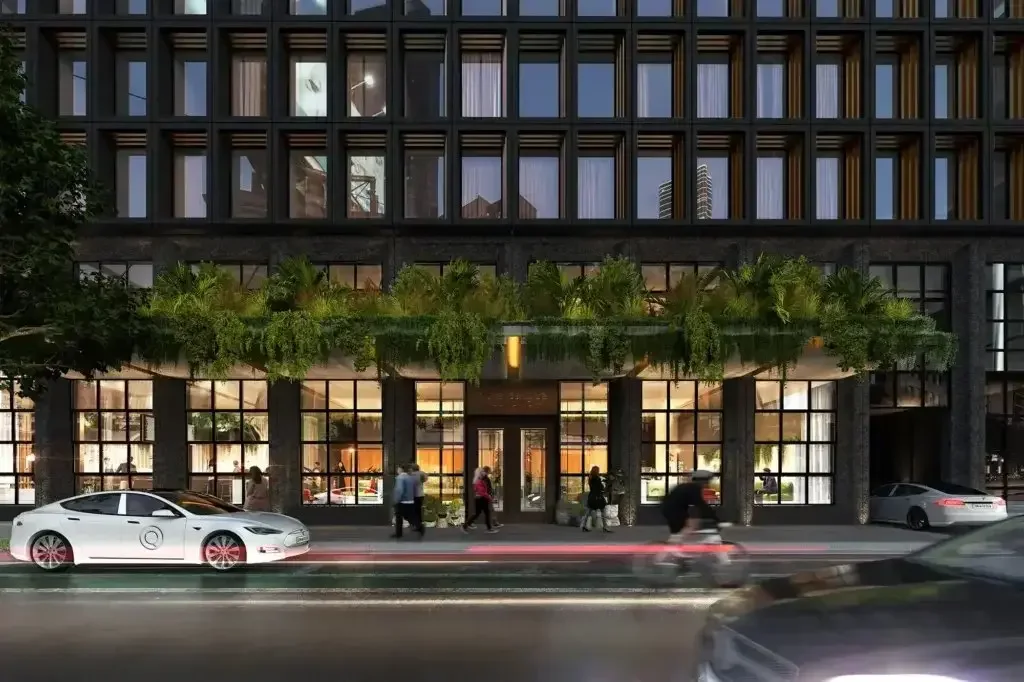
Hannah St. Hotel in the Queensbridge Building, Melbourne. Read the case study
The global shift towards casual luxury (refined environments without formality) resonates particularly well with Australian culture. Leading hotels are creating restaurant and bar spaces that feel premium yet approachable, combining world-class culinary execution with relaxed sophistication through elevated bistros, rooftop bars, and breakfast offerings that extend past typical buffets to showcase high-street quality breakfast fare.
Industry forecasts indicate heritage and third-culture cuisine will gain prominence, with menu items emphasising personal, lived experiences within multiple cultures. For Australian hotels, this represents an opportunity to celebrate our multicultural identity through authentic representation of diverse communities.
Non-alcoholic beverage demand continues expanding, with 35% of Gen Z preferring alcohol-free social beverages. Hotels are responding with sophisticated programs including artisanal aqua frescas, native botanical infusions, mocktails, non-alcoholic alternatives, premium tea services, and crafted kombucha that justify premium pricing through quality and presentation.
Coffee culture remains central to Australian identity, with speciality beans, terroir flavours, and seasonal blends driving trends. Hotels are partnering with speciality roasters to offer unique guest experiences around origin stories, brewing methods, and exclusive blends.
Advanced CRM systems are enabling hotels to anticipate guest preferences and create thoughtful personalisation. The Global Wellness Institute projects wellness travel will reach over $1 trillion by 2026, with opportunities to integrate fitness programs, meditation spaces, nutritional consultations, and dining menus supporting wellbeing without sacrificing indulgence.
Universities: The Community Dining Hub
Australian university dining faces a convergence of trends: students demanding convenience and value, increasing dietary diversity, sustainability expectations, and technology as baseline infrastructure. The evolution sees dining transform from service provision into a factor influencing enrolment decisions.
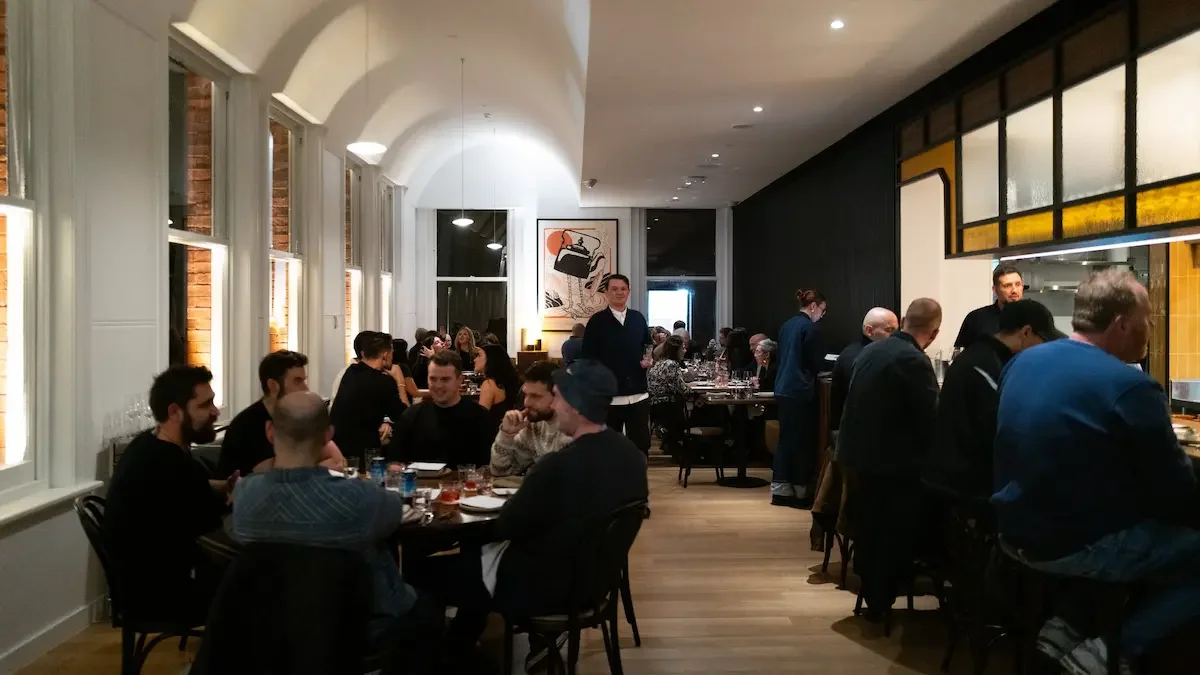
Residence at The Ian Potter Museum, one of Future Food’s 2025 projects with The University of Melbourne.
Read the case study
Gen Z expects quality food available 24/7, requiring operational innovation through autonomous (vending) markets, strategic grab-and-go locations, and mobile ordering integration. Value for money continues to be a defining factor on student spend behaviour but equally - quality, authenticity & (social) experience are not far behind. Fragmentation of student segments continues with some seeking food as ‘fuel’ for the day, to a range of comfort food, to genuine healthy nourishment (rather than just satiation), preferring to have as fresh as possible, from local ingredients that support both health and surrounding communities.
With 66% of Gen Z following specific eating patterns (versus 63% of millennials, 50% of Gen X, and 41% of Boomers), and 10% of students on meal plans having food allergies (versus 6% of adults), dietary accommodation has moved from niche to mainstream. Universities require allergen-free stations, extensive plant-based offerings, halal and kosher options, and clearly labelled nutritional information.
The protein trend manifests strongly on campus too, with students seeking energy for study sessions, athletic performance, and general wellbeing through high-protein options across all meal occasions.
Technology implementation includes mobile ordering, contactless payment, QR code nutritional information, and innovations like smart food lockers addressing labour shortages. However, students also see food as central to building community, spending extended hours socialising in dining precincts and dining halls.
Sustainability programs are expanding to include reusable container systems, composting, food waste tracking, carbon footprint labelling, and educational campaigns helping students understand the environmental impact of dining choices.

Cronulla RSL, Sydney. A 2025 Future Food clubs project.
Clubs, Pubs & Gaming: The Experience Economy
The shift from passive to active entertainment is fundamentally reshaping Australian clubs and pubs.
Venues are integrating interactive elements (bowling, darts, trivia technology, VR experiences) creating reasons to visit beyond drinking and gaming machines. These experiences drive repeat visitation, longer dwell times, and higher per-capita spending.
Full-service venues offering food, drinks, and entertainment in integrated environments are outperforming single-purpose establishments, making up significant market share. This requires elevated food programs that justify extended visits rather than perfunctory counter meals.
Live music and entertainment stage show interest has increased, highlighting music-led occasions as central to going-out experiences. Quality sound systems, regular local artist bookings, and social media promotion transform venues into cultural destinations building community loyalty.
Sharing menus encouraging communal dining are rising, aligning naturally with Australian dining culture through sharing plates, large-format dishes, and beverages served in shareable formats.
Beverage trends reveal premiumisation coexisting with value consciousness, continuing non-alcoholic demand, and younger consumers seeking lighter, refreshing options. Craft and locally produced beverage options are continuing to grow, reshaping mass-produced beverage lists and providing consumers with more credible and highly sought-after beverage choices.
As Australia's gaming sector faces increasing regulatory pressure, 2026 is accelerating RegTech adoption, with enhanced player welfare obligations and tightening reporting requirements redefining compliance technology. This, in turn, is increasing the importance of non-gaming revenue within clubs to ensure they maintain relevance and position themselves for the future.
Shopping Centres & Malls: Authentic Experiences, Asset Performance
Retail and entertainment performance continues to be supercharged by contemporary food and hospitality experiences, as customers increasingly seek a complete and layered experience within an evolving industry. Beyond destination dining, centres continue to capture convenience spending, impulse purchases and everyday usage, reflecting the diversification of shopping centres away from purely transactional retail and towards accommodating a wide range of customer need states across different visit priorities.
Centre programming requires a far more nuanced and place specific approach than a standardised rollout of national and international hospitality brands. While major operators provide reliability, scale and operational strength, an over reliance on uniform brand mixes risks delivering a homogenised experience that fails to respond to local context, customer demographics, climate, cultural patterns and day part behaviours. Increasingly, the most successful centres are those that recognise hospitality programming as a strategic expression of place rather than a transactional response to demand.
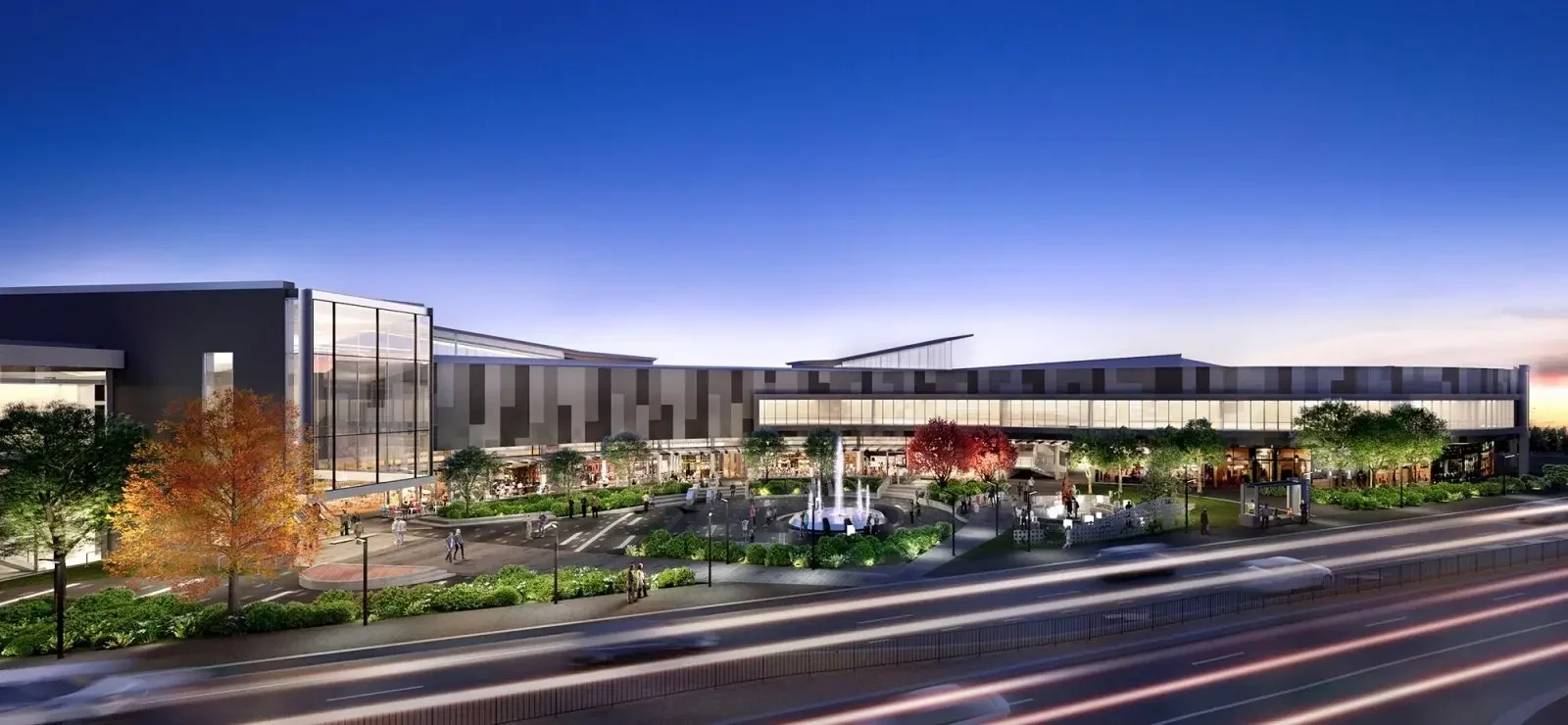
Narellan Town Centre, Sydney. A Future Food project.
Read the case study
Individuality in programming begins with a deep understanding of each centre’s catchment, including lifestyle profiles, cultural diversity, work patterns and social rituals. A centre serving a weekday office population will require a different hospitality rhythm to one anchored in family leisure, tourism or evening entertainment. This influences not only the choice of operators but also opening hours, menu formats, price architecture, seating configurations and the balance between quick service and linger driven concepts. A single national brand may play very different roles across locations, or be inappropriate altogether where local operators can deliver stronger relevance and authenticity.
Local and independent operators play a critical role in this strategy, not simply as a point of differentiation but as anchors of community identity and storytelling. These businesses often respond more intuitively to local tastes, seasonal preferences and cultural moments, and can evolve more flexibly over time. When thoughtfully curated alongside established brands, they create a layered hospitality ecosystem that feels organic rather than engineered. This balance allows centres to avoid a cookie cutter response while still maintaining commercial resilience.
Programming should also reflect spatial and environmental conditions unique to each centre. Climate, views, pedestrian flows and adjacencies influence whether hospitality is positioned as a destination precinct, a social connector or a series of intimate moments throughout the centre. Outdoor dining may be central in some locations and peripheral in others, while events programming should respond to local calendars, community groups and cultural celebrations rather than generic national schedules.
Ultimately, successful hospitality strategies treat each shopping centre as a distinct platform with its own personality, rhythms and social role within the community. By resisting uniform solutions and instead embracing tailored programming, centres can deliver hospitality experiences that feel authentic, memorable and deeply embedded in place, strengthening both customer loyalty and long term asset performance.
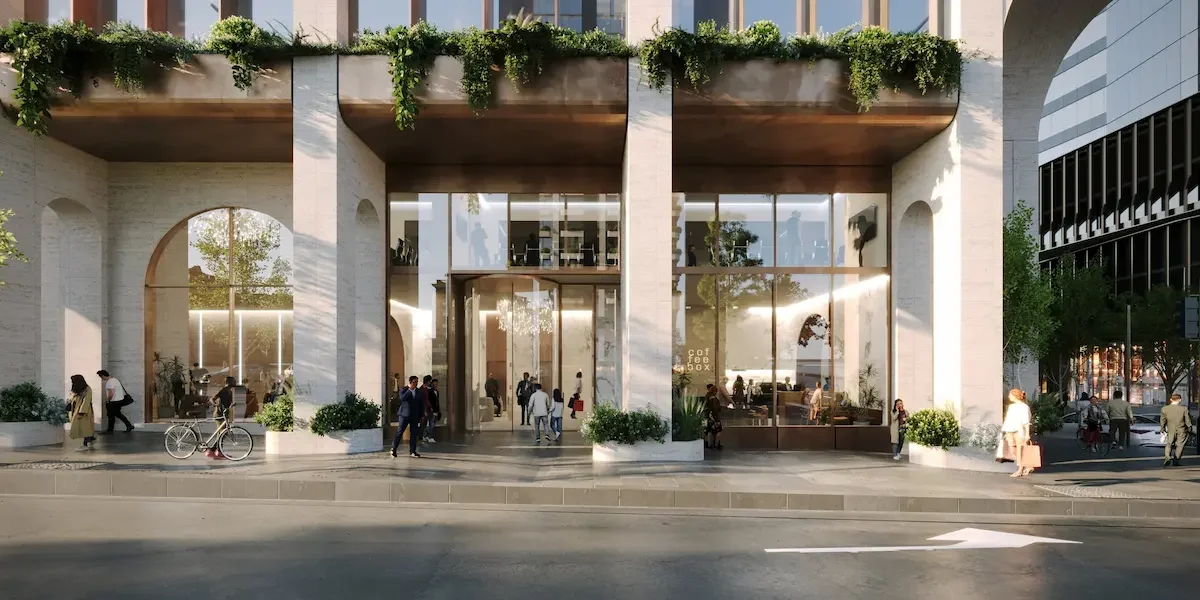
380 Queen St, Melbourne. A 2025 Future Food mixed-use development project. Render by Cox Architects.
Mixed-Use Developments: The Live-Work-Play Integration
Food and beverage function as social anchors within mixed-use developments, providing gathering spaces that enhance overall community sense. Successful strategies require understanding usage patterns from morning coffee to late-night options, creating 18-hour activation through diverse concepts preventing cannibalisation.
Mixed-use developments increasingly serve as incubators for innovative food concepts. Food halls offer advantages including variety appealing to diverse demographics, vibrancy through multiple operators, lower individual build-out costs, social media content generation, and phased opening flexibility.
True integration requires seamless connection through ground-floor retail with active frontages, outdoor dining, pedestrian connectivity, shared public spaces (plazas, parks, courtyards), event programming, and digital wayfinding.
Innovative sustainability approaches are emerging at community level, with collaborative systems recognising that sustainable packaging works better as shared infrastructure. Precinct-wide initiatives include centralised composting, reusable container programs shared across operators, waste reduction monitoring, renewable energy, water harvesting, and native landscaping.
Regenerative hospitality is moving beyond net-zero sustainability goals towards net-positive outcomes that restore ecosystems and strengthen communities. This involves supporting local food systems, creating economic opportunity, preserving cultural heritage, enhancing public realm and biodiversity, and building genuine community connection.
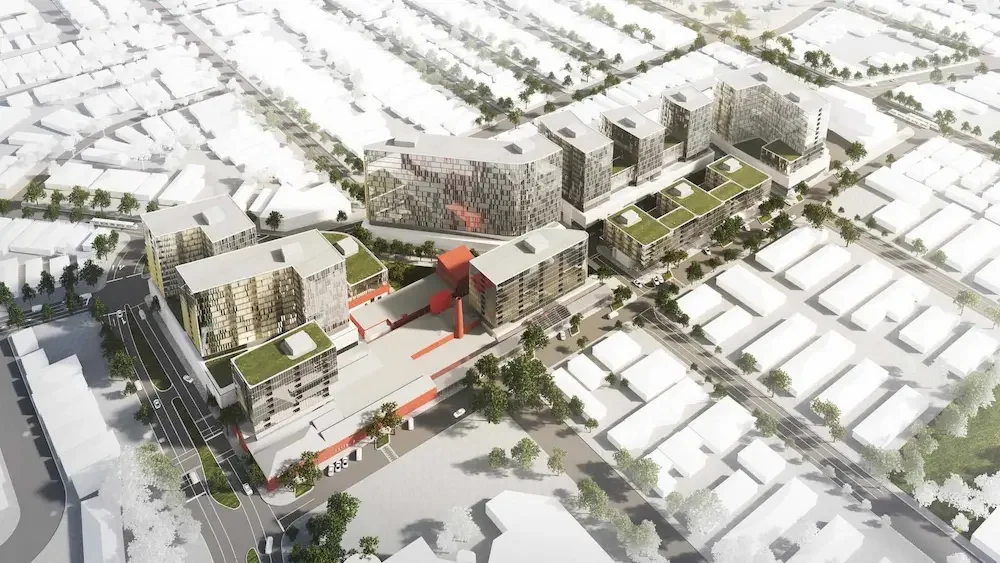
Kinnears Rope Works, Footscray, Melbourne.
A 2025 Future Food urban regeneration project.
Urban Regeneration Precincts: Leveraging Heritage to Deliver Modern Destinations
Urban regeneration (transforming under-utilised areas into vibrant destinations) represents significant opportunities across Australia. Food and beverage don't just occupy these precincts but often define their success or failure.
The most successful regeneration projects respect history while creating contemporary relevance through adaptive reuse of heritage buildings, design that respects historical character while introducing contemporary elements, menus incorporating local culinary history, and partnerships with cultural institutions.
Food halls have proven exceptional catalysts internationally, activating large footprints efficiently, attracting diverse demographics, creating immediate social destinations, generating media attention, supporting emerging culinary talent through lower barriers to entry, and enabling phased activation.
Successful regeneration extends dining beyond interior spaces into the public realm through outdoor seating, pop-up markets and festivals, pedestrian-only streets, public art installations, performance spaces, and native landscaping.
Urban regeneration should create genuine night-time destinations beyond daytime amenities through cocktail bars, live music venues, late-night dining, cultural programming, and safe, well-lit public spaces. Interactive elements and competitive socialising experiences drive evening visitation.
Successful regeneration supports local communities rather than displacing them through affordable tenancy models, mentorship for emerging entrepreneurs, preference for independent concepts alongside necessary anchors, and community consultation throughout development.
Ongoing cultural programming keeps regeneration precincts vital through regular events, markets, seasonal festivals, artist residencies, and educational partnerships, transforming precincts from property developments into living cultural destinations that strengthen over time.
Looking Forward

The trends shaping 2026 represent current realities rather than distant possibilities. AI provides significant capability in operational optimisation, yet cultural understanding, creative vision, and strategic thinking remain essential to successful outcomes.
Across Australian hospitality sectors, the pattern is consistent: technology amplifies human insight rather than replacing it, sustainability functions as an operational imperative rather than a marketing message, experience emerges from carefully orchestrated components rather than single elements, and authenticity must be genuine rather than performative.
The evolution demands sophisticated, context-sensitive implementation that balances data-driven insights with human creativity, implements sustainable practices generating genuine impact, and designs experiences that resonate culturally while achieving commercial viability.
These are complex challenges requiring bespoke strategy, contextual understanding, and collaborative execution across multiple disciplines. The differentiation between leading and following operations in 2026 Australian food and hospitality will emerge from how comprehensively these trends are understood and how thoughtfully they are implemented within each sub-sector's unique context.
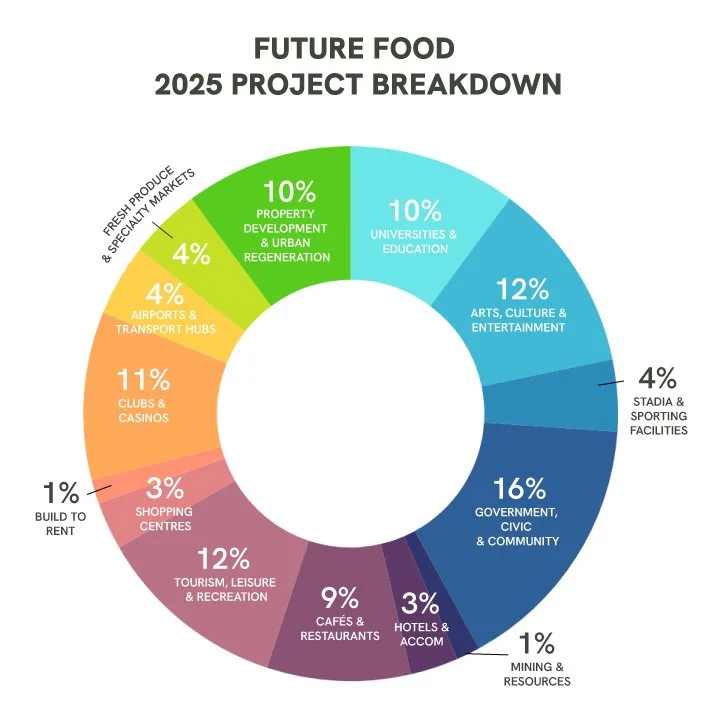
Partner With Future Food
At Future Food, we understand that navigating these trends requires more than industry knowledge. It demands deep expertise in translating emerging patterns into commercially viable, culturally resonant hospitality concepts tailored to your specific context.
Throughout 2025, we've had the privilege of working on some of Australia's leading cultural institutions, major assets, and greenfield sites. These projects have reinforced our belief that successful hospitality outcomes emerge from the intersection of strategic foresight, operational pragmatism, and genuine cultural understanding.
As we look towards 2026, we're excited to see these projects come online and demonstrate how thoughtful food and beverage strategy creates lasting value for developers, operators, and communities alike.
Whether you're planning an airport terminal refresh, a hotel repositioning, a university dining transformation, a club reinvention, a shopping centre redevelopment, a mixed-use precinct, or an urban regeneration project, we invite you to consider Future Food as your strategic partner.
Many of these trends are already influencing projects across Australia and New Zealand, providing valuable insight for developers, asset owners and operators planning future investment.
Our approach combines rigorous research, sub-sector expertise, international best practice knowledge, and deep understanding of the Australian market to deliver strategies that are both visionary and achievable. We work collaboratively with developers, architects, asset owners, and operators to ensure food and beverage concepts don't just meet current expectations but anticipate future needs.
From all of us at Future Food, we wish our clients, industry partners, interested readers, and regular subscribers a wonderful festive season. Take time to recharge amongst friends, family, and colleagues.