From Idea to F&B Concept: Realising the Vision
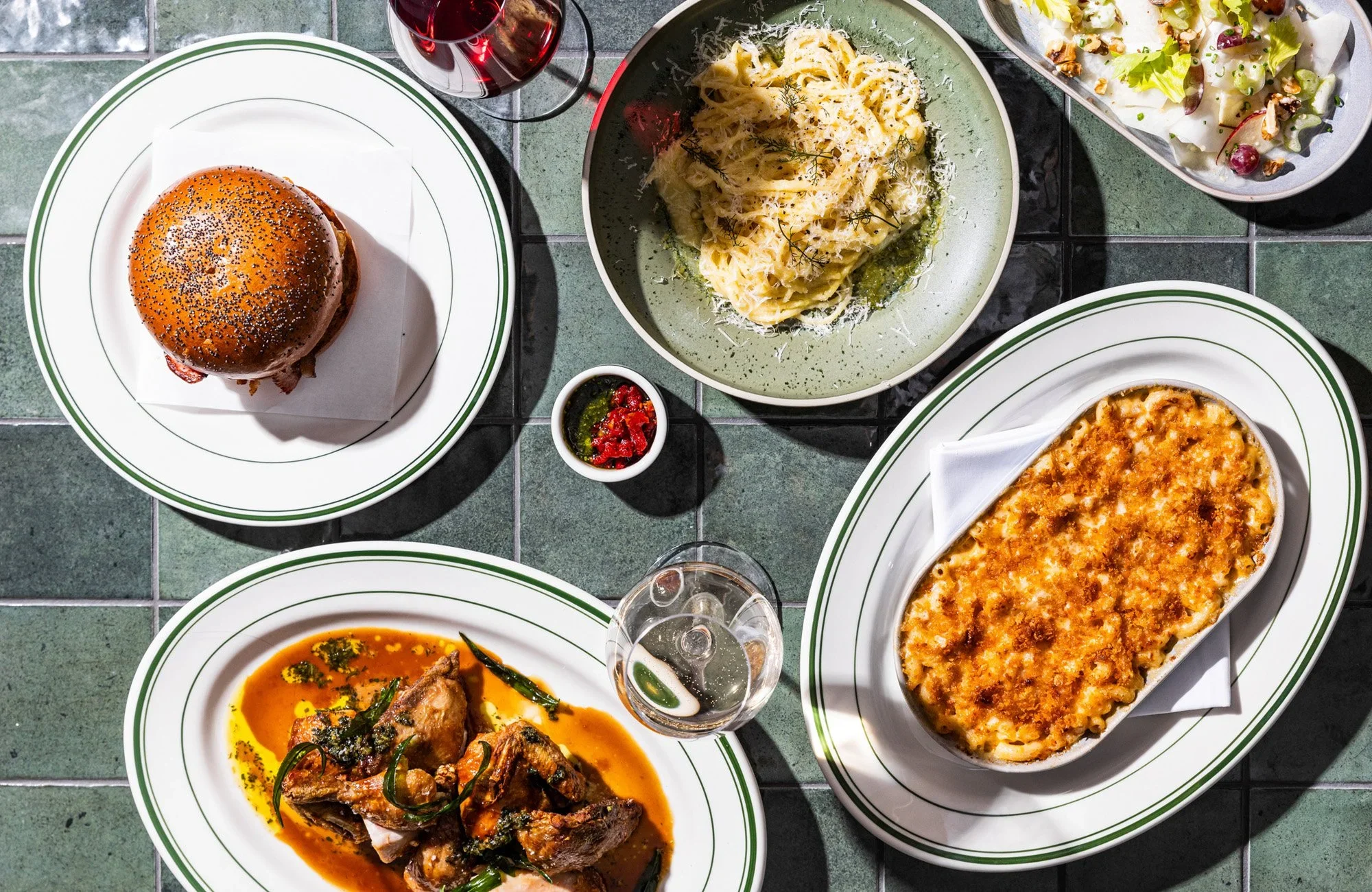
Georgie Wine Bar, Mantra Bond Street, Sydney.
A Future Food concept & branding project. Image credit georgiewinebar.com
In food and hospitality, ideas can come easily. A spark of inspiration from an unexpected food experience, the memory of food cooked by family, or seeing a space with untapped potential – these are starting points for so many great concepts. Rarely is the journey from idea to something real and operational straightforward. Between the first thoughts and words on paper to the moment the lights turn on, there are hundreds of decisions that shape whether a concept is successful or falls flat.
At Future Food, we’ve spent years helping entrepreneurs, seasoned F&B operators, organisations and developers turn those ideas into tangible outcomes. Along the way, we’ve learned the creative process matters just as much as the idea itself. Moving from idea, to vision, to concept, quickly, collaboratively and with the right amount of professional support, can make the difference between a concept that just survives and one that thrives in the marketplace.
We don’t believe in rushing, but it is about momentum. Using time wisely, asking the right questions early and drawing on deep industry knowledge to make confident decisions.
Where Vision Meets Clarity
Distilling an idea into a vision takes a little time and conversation. What’s the story behind the idea? Who is the target market? What are the point(s) of difference that will capture the customers’ imagination? Will it be the cuisine, specific products that are new to market, the service experience, or something else? What’s the aspiration: a local hero, a single flagship with wide market appeal, multiple outlets to become a market leader, repositioning of a precinct, or introduction of something entirely new?
Before any brand names are created, it’s critical to align on vision. A well-defined brief does more than state the food type or budget, it articulates why the concept exists and what experience it should deliver.
Typically, in a discovery phase, we seek to understand:
Business goals and scale of ambition.
Intended market and the customer behaviours driving demand.
The competitive landscape and where the opportunities lie to stand apart.
Desired level of service, atmosphere, and price positioning.
Creative intent informed by commercial intelligence, combining data, trend analysis, and on-the-ground experience, to shape what the concept could be not just what it should be.
FUTURE FOOD CASE STUDY | Georgie Wine Bar | Mantra Bond Street | Sydney


Moving from Insight to Ideation
Once the foundations are clear, the creative work begins. This is the part of the process that often looks effortless from the outside the mood boards, sketches, evolving storylines, but behind it lies structure and discipline.
Concept ideation is about translating the core idea into a holistic and interconnected experience. What menu items and flavours express the brand’s essence? How should the physical spaces feel to reinforce the concept – familiar, playful, aspirational or grounded? What does the customer journey look like from first glance to final impression? Are convenience and speed important or encouraging greater dwell time?
Exploring these questions through a collaborative process often brings the best ideas forward through conversation. Our research might uncover a creative gap in customer needs; a development chef might talk through a signature ingredient; an interior designer might flag how the space should respond to customer needs throughout the day; a developer might outline the precinct aspirations that affect operational layout. Each insight sharpens the concept.
The outcome of this process is a clear concept direction captured in a concise deck that outlines the vision, positioning, customer experience and operational model. It’s not a final design package; it’s the creative and commercial compass that guides everything that follows.
Refining the Concept
Even a great idea still needs further feedback and testing. The refinement stage is where the concept is stretched, challenged and validated. Initial menu items confirmed, menu depth (variation) assessed, service model(s) examined and pricing structures and promotions reviewed against real-world constraints.
This is the point where creative ambition meets operational practicality. A concept that feels exciting on paper must also be deliverable in a busy service environment. Layouts, staffing levels, equipment requirements, and throughput all come under review. The goal isn’t to dilute creativity, rather to ensure the concept stands up commercially and operationally.
During refinement, brand and design elements also begin to converge. The colour palette, materials, and brand tone of voice start to reflect the food philosophy and customer experience. The process is iterative, moving quickly yet with intention, keeping everyone aligned to the end vision.
Creating a Brand to Carry the Story
Brand creation is often where a concept finally feels “real.” A name is chosen, a story is told, and the visuals begin to take shape. But effective branding goes deeper than aesthetics, it conveys values, sets expectations and communicates the promise behind the experience.
Developing a hospitality brand requires an understanding of both the emotion and the economics. The name, logo, and design language need to resonate with customers, but also integrate seamlessly into operations, signage, uniforms and digital presence. Consistency builds trust, and trust builds repeat visitation.
We often describe branding as the thread that ties the concept together. It connects the idea, the environment, and the customer. When it’s done well, it doesn’t just look right – it feels inevitable – as if it could only ever have been that way.
FUTURE FOOD CASE STUDY | The Hub @ Dubai Exhibition Centre


Working Fast, Working Together
In today’s market, speed matters. Development timelines are tighter, consumer trends shift faster; and capital decisions can’t wait for lengthy creative processes. Yet speed shouldn’t mean compromise.
The key is collaboration. Working as a team, progress can be made quickly without losing depth. Regular workshops, shared boards and live feedback sessions where everyone stays involved, informed, and invested are essential.
A structured process builds logically on the last phase. Discovery leads to ideation; ideation leads to concept development; concept leads to brand. This rhythm keeps momentum high whilst ensuring every decision is grounded in strategy and commercial logic.
The best proof of process is outcome. Over the years, we’ve had the privilege of shaping concepts such as Georgie Wine Bar in Sydney, Lume at the Melbourne Convention and Exhibition Centre and The Hub, Dubai Exhibition Centre (in progress). Each project began a different stage of the process and with a different vision, but followed a similar path from idea to concept, guided by collaboration, clarity, and pace.
These examples highlight how varied the journey can be. Some required developing a new identity from the ground up; others involved re-energising existing offers to meet shifting market expectations. In every case, the goal was the same: to create a concept that connects with its audience and performs commercially.
FUTURE FOOD CASE STUDY
Lume @ Melbourne Convention & Exhibition Centre


Why the Process Matters
Talking about process might sound unglamorous compared to unveiling a new restaurant interior, kitchen design with all the gadgets or menu design, but it’s the process that determines whether an idea is sustainable and survives long term. A well-defined concept provides focus. It helps designers, chefs, marketers and operators all move in the same direction.
The ability to move quickly with discipline and shared purpose allows teams to seize opportunities rather than react to them. When creative thinking and commercial understanding work hand in hand, vision becomes reality faster and more effectively.
In the end, taking a food and beverage idea from concept to execution isn’t about grand gestures or endless brainstorming. It’s about partnership, structure and momentum. Ideas grow stronger when challenged, refined, and grounded in experience.
That’s the conversation we love having about how an idea becomes something people can taste, touch, and experience. About how vision takes shape. About how, in the fast-moving world of hospitality, the right process turns imagination into something amazing.