
University Campus Food Strategy Explained
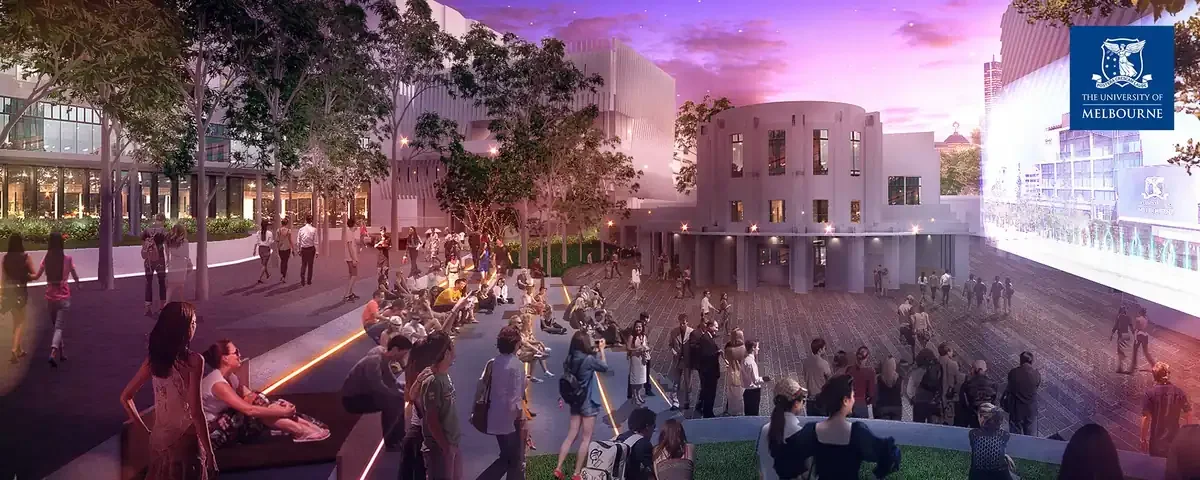
As universities continue to evolve into broader education, lifestyle and innovation precincts, food and hospitality planning is becoming an increasingly important part of the campus experience.
Today’s campuses often combine student accommodation, research facilities, sporting infrastructure, public realm, commercial partnerships and community engagement within the same environment. This shift is changing how campuses operate throughout the day and creating new opportunities for hospitality to support movement, connection, activation and long-term precinct identity.
Well-considered university hospitality contributes far beyond convenience.
It helps shape:
student experience
social interaction
dwell time
campus activation
staff engagement
public realm use
broader campus identity
The campuses that feel most connected and engaging are typically those where food and hospitality planning has been integrated into the wider masterplanning vision from the beginning.
Why Universities Are Taking a More Strategic Approach to Hospitality
University environments now support a far more diverse range of users and activities than traditional education models of the past.
Students move through campus differently from academic staff. Residential populations engage with hospitality differently from commuters. Industry partners, conference visitors and community groups all contribute to how the precinct functions across the day and evening.
This creates an opportunity for campuses to develop hospitality environments that support a broader and more connected campus experience.
A successful university campus food strategy considers how hospitality can:
support student life
encourage social interaction
contribute to campus vibrancy
strengthen public spaces
activate different parts of the precinct
align with broader institutional objectives
Many universities now approach hospitality as part of the overall campus ecosystem rather than simply as a support service.
Hospitality Planning Works Best Alongside Masterplanning
The most engaging campus hospitality environments are usually shaped during early planning and masterplanning phases.
At this point, hospitality strategy can help inform:
pedestrian movement
public realm activation
tenancy placement
outdoor interface opportunities
vertical circulation
servicing infrastructure
gathering and social spaces
This integrated approach creates greater alignment between hospitality, movement and campus life overall.
For example, cafés positioned alongside key pedestrian corridors can support activity across the day while also strengthening adjacent public spaces. Dining environments integrated near student accommodation or event infrastructure may contribute to evening activation and broader campus engagement after standard lecture periods conclude.
Similarly, hospitality distributed throughout the campus can help create a more connected and walkable environment rather than concentrating activity into a single location.
As explored in From Place to Performance: Masterplanning Food & Hospitality, hospitality planning is most effective when considered as part of the broader spatial and commercial framework of a precinct from the outset.
The Best Campuses Create Places People Want to Spend Time In
Campus hospitality increasingly contributes to how universities are experienced and remembered.
Well-planned food and beverage environments can help create campuses that feel:
welcoming
social
contemporary
connected
active across the day
supportive of both study and community interaction
This may include:
cafés distributed between faculties and public spaces
outdoor terraces supporting study and informal meetings
convenience retail near transport entries
hospitality linked to student accommodation and event activity
social dining environments that support campus life into the evening
Importantly, hospitality can also help strengthen movement patterns and encourage greater engagement with the broader precinct.
Well-planned campus food and hospitality can support more active public spaces, longer dwell time and more reasons for students, staff and visitors to remain on campus throughout the day.
These outcomes contribute positively to both campus experience and broader institutional identity.
University Hospitality Planning Extends Beyond Leasing
Campus hospitality environments operate differently from traditional retail assets.
Universities are balancing a broad mix of objectives that may include:
student wellbeing
learning environments
community engagement
operational sustainability
placemaking
activation
broader campus performance
This creates opportunities for hospitality strategy to contribute across multiple areas of campus life simultaneously.
In many university environments, hospitality also becomes an important connector between different campus functions. Cafés and social spaces can support informal collaboration, strengthen public realm activation and contribute to more engaging day-to-day campus experiences for students, staff and visitors alike.
The most effective hospitality outcomes are usually shaped through collaboration between:
planners
architects
university stakeholders
facilities teams
hospitality advisors
operators
throughout the planning process.
Future Food’s food and hospitality strategy development services help universities align hospitality planning with both operational requirements and broader campus objectives.
Timing Creates Greater Flexibility and Opportunity
The early phases of campus planning often create the greatest opportunity for hospitality strategy to influence long-term outcomes.
At this stage, hospitality planning can contribute to:
movement pathways
activation strategy
servicing coordination
public space integration
tenancy sizing
destination placement
operational efficiency
This allows food, movement and campus life to work cohesively together across the precinct.
As universities continue to evolve into more integrated mixed-use environments, many institutions are now engaging hospitality advisors earlier in the development process to help align customer experience, operational planning and commercial objectives.
Campus Hospitality Shapes Institutional Identity
Students and visitors often form impressions of a university long before entering a lecture theatre or research facility.
Hospitality environments contribute significantly to how a campus feels and functions.
Cafés, public gathering spaces, outdoor dining environments and activated social areas all help shape whether a campus feels:
connected
engaging
contemporary
community-oriented
active across the day
Many leading universities now resemble broader urban neighbourhoods, with hospitality woven throughout the precinct rather than isolated within a single retail zone.
These environments support:
study
collaboration
informal meetings
social interaction
community engagement
across both daytime and evening activity.
According to Universities Australia, Australian universities continue to evolve into broader lifestyle, innovation and community precincts, increasing the importance of hospitality environments that support both academic and social life.
Planning Campus Hospitality for Enduring Value
Food and hospitality now play an increasingly important role in how campuses operate socially, commercially and experientially.
A well-considered university F&B strategy can support:
activation
student engagement
dwell time
operator continuity
social interaction
campus identity
enduring campus value
The most effective outcomes are typically achieved when hospitality planning aligns with:
customer behaviour
movement patterns
operational planning
placemaking strategy
long-term institutional vision
Future Food works with universities, institutional assets and mixed-use developments to create hospitality strategies aligned with planning, activation and long-term campus performance.
If you are reviewing an existing campus environment or planning a future precinct, our team of university campus food strategy consultants can help develop a hospitality framework aligned with both operational outcomes and student experience from day one.