
Food Strategy for Urban Precincts & Districts
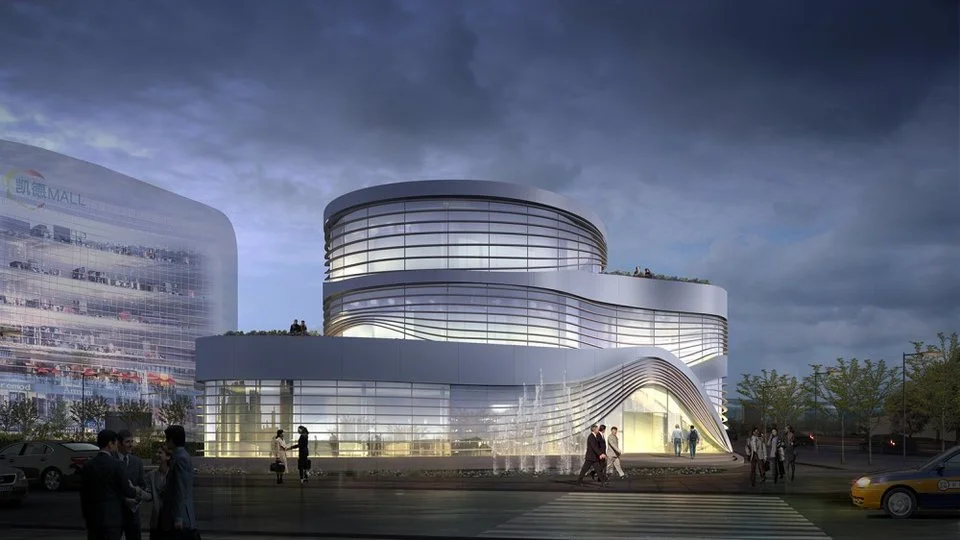
Food and hospitality increasingly shape how urban precincts are experienced, activated and remembered.
Across mixed-use developments, civic destinations, transport precincts and urban renewal projects, hospitality now plays an important role in supporting movement patterns, public life and the broader identity of place. Well-considered food environments encourage people to spend more time within a precinct, engage more deeply with surrounding spaces and contribute to destinations that feel active, layered and socially engaging over time.
The most compelling urban precincts rarely treat hospitality as a secondary consideration.
Instead, food and beverage planning is integrated into the broader precinct vision from the beginning, helping align customer movement, public realm, activation and operational planning within a cohesive framework.
Hospitality Planning Creates Opportunity During Masterplanning
Food and beverage strategy influences far more than operator mix alone.
It contributes to:
pedestrian movement
public activation
dwell time
servicing coordination
vertical circulation
public realm experience
daypart engagement
precinct identity
When hospitality planning is integrated early, projects are better positioned to create environments that feel connected, intuitive and commercially resilient.
At masterplanning stage, hospitality strategy can help inform:
where activity naturally builds throughout the precinct
how dining interfaces with public space
where operators are best positioned within movement pathways
how servicing integrates efficiently with customer experience
how precinct activity evolves across mornings, evenings and weekends
This level of coordination becomes particularly valuable within mixed-use environments, where hospitality often acts as the connective layer between residential, retail, workplace, entertainment and civic uses.
As explored in From Place to Performance: Masterplanning Food & Hospitality, hospitality planning delivers the greatest long-term value when treated as foundational infrastructure within the broader development strategy.
Precinct Activation Works Best When It Reflects Real Movement Patterns
Hospitality contributes most effectively to activation when it aligns naturally with how people move through a place.
Different audiences interact with urban precincts differently throughout the day.
Office workers may prioritise convenience and efficiency during morning and lunchtime periods. Residents and visitors often support more social and extended hospitality experiences later into the evening. Entertainment and cultural precincts may experience entirely different movement patterns during weekends and event periods.
A well-considered precinct activation F&B strategy responds to these changing rhythms and creates environments that remain engaging across multiple dayparts.
Commercial Bay in Auckland provides an example of this approach.
The precinct incorporates more than forty food and beverage operators distributed across several levels. Vertical circulation, sightlines and laneway planning were all designed intentionally to encourage movement throughout the asset rather than concentrating activity exclusively at ground level.
The result is a hospitality environment where customer flow feels natural and engagement extends across multiple parts of the precinct throughout the day.
Well-planned precincts often create this sense of effortless movement. Public spaces remain active, hospitality feels integrated into the customer journey and the precinct evolves naturally between daytime and evening use.
Hospitality Plays an Increasingly Important Role Within Mixed-Use Developments
Mixed-use precincts bring together multiple customer groups within the same environment.
Residents, commuters, office workers, students, tourists and event audiences all engage with hospitality differently depending on time of day and purpose of visit.
This creates an opportunity for hospitality strategy to support a broad and layered precinct experience.
Different hospitality formats contribute differently to the life of the precinct:
convenience retail may align with transport connections
cafés can support informal meetings and daytime activity
casual dining may strengthen social gathering spaces
evening venues can contribute to after-hours economy and visitation
destination dining may help establish long-term precinct identity
When planned cohesively, hospitality helps connect otherwise separate uses into a more integrated and engaging customer experience.
Future Food’s experience across property development and urban regeneration projects has consistently demonstrated the important role hospitality plays in shaping how precincts are ultimately experienced and remembered.
Food Precinct Strategy Supports Enduring Commercial Value
Hospitality contributes directly to how urban precincts perform over time.
Well-considered food environments can support:
longer dwell time
repeat visitation
broader activation
customer interaction
cross-precinct movement
leasing continuity
This becomes particularly valuable within precincts that experience different activity patterns throughout the day.
For example, workplace-oriented precincts may benefit from hospitality environments that support both daytime convenience and evening activation. Lifestyle and tourism destinations may benefit from a broader mix of hospitality experiences that encourage visitors to spend more time within the precinct overall.
Shopping centres, transport hubs and entertainment precincts increasingly view hospitality as a core component of broader precinct strategy rather than simply a supporting amenity.
The developments generating the most consistent long-term engagement are often those where hospitality planning aligns closely with both customer behaviour and broader asset positioning.
Place Identity Matters More Than Operator Volume
Some urban precincts immediately feel distinctive and memorable. Others feel interchangeable despite significant investment in architecture and infrastructure.
Hospitality often plays a central role in shaping this distinction.
The most engaging precincts create hospitality environments that feel connected to the broader identity of place rather than replicating generic retail dining models.
The Pearl District in San Antonio demonstrates this effectively. Hospitality is woven naturally throughout the precinct alongside adaptive reuse buildings, public gathering spaces and pedestrian connections. Restaurants and cafés contribute to the character of the precinct while reinforcing the broader experience of place.
Similarly, City Walk Dubai distributes hospitality throughout the streetscape to support gradual discovery and layered engagement throughout the day. Cafés support daytime trade and informal meetings, while restaurants and social venues contribute to evening economy and public life later into the evening.
These environments feel cohesive because hospitality planning responds directly to how people interact with the precinct itself.
This level of integration is typically shaped through collaboration between:
planners
architects
leasing teams
hospitality advisors
operators
public realm designers
from the formative stages of planning.
Early Planning Creates Greater Flexibility
Hospitality strategy is most effective when developed alongside the broader precinct framework.
This process may include:
trade area analysis
customer profiling
benchmarking
movement analysis
operator mix planning
feasibility modelling
operational coordination
before leasing campaigns commence.
Early planning also creates opportunities to coordinate:
servicing access
outdoor dining integration
weather protection
public interface design
customer circulation
activation strategy
tenancy placement
within the broader masterplan.
As projects become larger and more integrated, many developers are engaging specialist hospitality advisors earlier in the planning process to help align customer experience, operational practicality and broader commercial objectives.
Future Food’s food and hospitality strategy development services help clients align hospitality planning with operational, commercial and placemaking outcomes before projects move to market.
The Growing Role of Food Precinct Consultants in Brisbane
Brisbane continues to experience significant investment across:
urban renewal precincts
transport infrastructure
lifestyle destinations
mixed-use developments
tourism assets
civic and cultural projects
As these developments become increasingly integrated and experience-led, hospitality planning is playing a more prominent role in shaping activation and long-term precinct identity.
Food precinct consultants in Brisbane are now commonly engaged during planning stages where hospitality is expected to support:
public activation
leasing outcomes
customer experience
tourism appeal
placemaking objectives
The projects generating the most enduring engagement often share a common characteristic: hospitality was integrated into the broader precinct vision from the outset.
Planning Hospitality Early Supports Enduring Outcomes
Hospitality influences how urban precincts function socially, commercially and experientially every day.
It shapes:
movement patterns
public life
activation
dwell time
atmosphere
social interaction
overall precinct experience
The most compelling precincts recognise this early and integrate hospitality planning accordingly.
Operator selection is only one part of the equation. Enduring outcomes are also shaped by:
movement planning
operational coordination
public realm integration
customer behaviour
precinct identity
commercial strategy
When these elements align cohesively, hospitality becomes a significant contributor to both placemaking and asset performance.
Future Food works with developers, precinct owners, airports, universities and mixed-use projects to shape hospitality strategies from the earliest stages of planning.
If you are planning a new precinct, redevelopment or activation project, our team can help develop a food and hospitality framework aligned with customer experience, operational planning and enduring commercial value.