
How to Build the Right F&B Tenant Mix
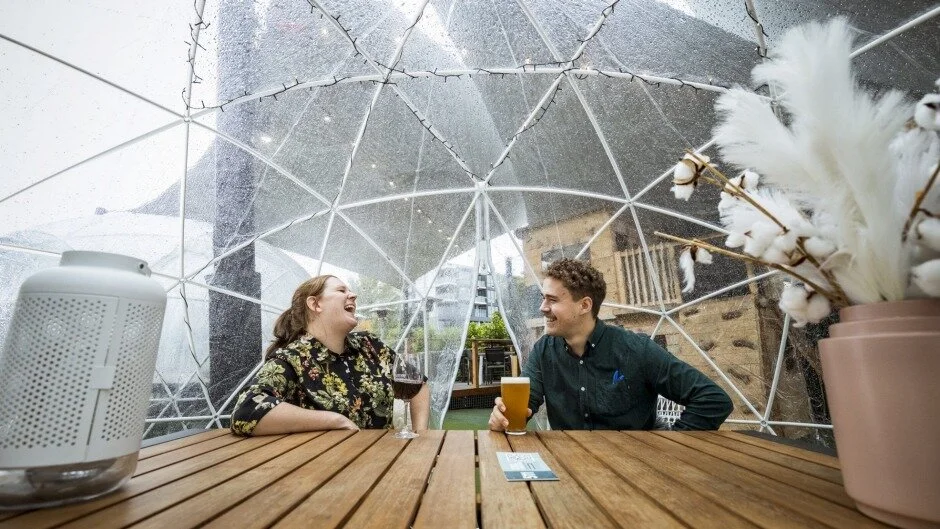
Food and beverage now plays a defining role in how people experience major developments.
Across mixed-use precincts, shopping centres, airports, lifestyle destinations and urban renewal projects, hospitality increasingly shapes movement patterns, public life and the broader identity of place. Well-considered hospitality environments encourage visitors to spend more time within a precinct, engage with surrounding spaces and contribute to destinations that feel active, layered and socially engaging over time.
Well-resolved hospitality precincts rarely emerge through operator selection alone.
Instead, they are typically shaped through a carefully considered F&B tenant mix strategy developed alongside the broader masterplanning, leasing and public realm vision for the asset.
When hospitality planning is integrated early, developments are better positioned to support customer experience, commercial resilience and a more cohesive precinct identity.
Hospitality Planning Creates Opportunity Early in the Development Process
Hospitality performs most effectively when it is planned alongside movement, public realm and broader commercial strategy.
Early planning creates opportunities to align hospitality with:
customer movement
public activation
transport connectivity
vertical circulation
servicing infrastructure
daypart engagement
precinct positioning
This integrated approach allows hospitality to contribute naturally to the customer journey throughout the precinct.
For example, casual dining may support landscaped gathering areas where visitors naturally pause and spend time. Convenience-focused offers may align with transport corridors or workplace entries where accessibility and efficiency are prioritised. Destination dining can help encourage movement into upper levels or secondary precinct zones.
These planning decisions influence:
customer experience
dwell time
operator alignment
leasing outcomes
enduring asset value
As explored in From Place to Performance: Masterplanning Food & Hospitality, hospitality delivers the greatest value when integrated into the broader development vision from the beginning.
A Well-Balanced Tenant Mix Supports Different Modes of Use
One of the defining characteristics of successful hospitality precincts is diversity of experience.
Different operators contribute differently to how customers use a precinct across the day. A carefully considered retail tenant mix strategy creates variation across:
service style
customer occasion
pricing
dwell time
daypart activity
customer demographics
This layered approach helps create environments that remain engaging across mornings, lunchtime periods, evenings and weekends.
Commercial Bay in Auckland demonstrates this particularly well.
Hospitality is distributed across several levels of the precinct rather than concentrated within a single dining zone. Circulation planning, visual connectivity and destination anchors work together to encourage movement throughout the asset.
Fast casual operators, social dining venues and destination hospitality each contribute differently to customer behaviour and precinct activity across the day.
The result is a hospitality environment that supports both commercial diversity and a more connected customer experience.
The Best F&B Tenant Mix Strategies Begin With Customer Behaviour
Hospitality planning becomes significantly more effective when customer behaviour informs the strategy from the outset.
Highly engaging precincts typically begin by understanding:
how people move through the environment
where they naturally pause
which spaces encourage dwell time
how visitation changes across the day
what customer groups are likely to use the precinct
how weekday and weekend patterns differ
These insights help shape hospitality environments that feel intuitive and aligned with the broader rhythm of the precinct.
Different environments naturally support different hospitality experiences.
A university campus may prioritise convenience and affordability between classes. A tourism precinct may support more social and extended dining experiences. Mixed-use developments often require hospitality that responds simultaneously to office workers, residents, visitors and evening audiences.
Understanding these dynamics helps create hospitality environments that feel cohesive, engaging and aligned with the broader precinct vision.
Future Food’s article on food and hospitality masterplanning strategy explores the relationship between movement, activation and hospitality planning in greater detail.
Operator Selection Should Reinforce Precinct Identity
Recognisable operators can contribute familiarity and confidence within a development. However, the most memorable hospitality environments are usually shaped through alignment with the broader identity of the precinct.
Different operators contribute differently depending on context.
Some concepts are highly suited to transport and commuter-focused environments where convenience and throughput are prioritised. Others contribute more effectively to lifestyle destinations where customers are seeking atmosphere, social interaction and extended dwell time.
Successful operator selection considers:
operational suitability
customer alignment
service diversity
precinct positioning
long-term activation objectives
A balanced hospitality environment often combines established operators with concepts that contribute individuality and local relevance to the asset.
Operational alignment also plays an important role.
Hospitality planning benefits from considering:
servicing access
kitchen infrastructure
seating flexibility
loading logistics
waste management
transaction flow
public interface opportunities
These operational considerations contribute to hospitality environments that function effectively over time for both operators and landlords.
Future Food’s EOI and tendering management services help clients source operators aligned with both commercial objectives and customer expectations.
Hospitality Shapes How People Remember a Precinct
Hospitality experiences often become closely associated with the identity of a place.
The café that people return to before work, between meetings or during the day. The restaurant connected to an evening event. The outdoor dining space that becomes part of a weekend routine.
These experiences contribute significantly to how a precinct is perceived over time.
The Pearl District in San Antonio offers a compelling example of this approach. Hospitality is integrated naturally throughout the precinct alongside public gathering spaces, adaptive reuse buildings and pedestrian connections. Restaurants and cafés contribute to a layered environment that feels highly walkable and connected to the place.
This approach supports:
longer dwell time
repeat visitation
broader activation
customer interaction
balanced movement throughout the precinct
Importantly, these outcomes are often shaped through planning decisions made early in the life of the project.
Commercial Strategy and Operational Planning Work Together
Commercial feasibility remains an important part of hospitality planning.
Developers understandably seek confidence around:
visitation forecasts
occupancy costs
leasing stability
spend-per-head assumptions
long-term trade potential
At the same time, operational planning and customer experience play an equally important role in shaping enduring outcomes.
Hospitality environments perform most effectively when commercial modelling is supported by:
movement analysis
operational planning
customer behaviour insights
circulation strategy
public realm integration
This integrated approach helps create hospitality environments that contribute positively to both commercial objectives and the broader precinct experience.
For broader hospitality and customer trend insights, the Restaurant & Café industry publication continues to provide useful market commentary and sector analysis.
Building an F&B Tenant Mix Strategy for Enduring Value
Hospitality environments continue to evolve alongside changing customer expectations and emerging operating formats.
The developments that perform most consistently over time are often those designed with flexibility and adaptability in mind from the beginning.
A successful F&B tenant mix strategy should support:
repeat visitation
activation across multiple dayparts
customer diversity
operational flexibility
leasing continuity
precinct identity
rather than focusing solely on short-term tenancy outcomes.
At Future Food, we work with developers, landlords, institutions and precinct owners to shape hospitality strategies across mixed-use developments, shopping centres, airports, civic destinations and tourism assets.
If you are planning a new development or reviewing an existing hospitality environment, our team can help create an F&B tenant mix strategy aligned with customer behaviour, operational performance and long-term asset value.