Is Your Club’s F&B Operation Costing More Than It Delivers?
Members see the plate, the price and the service. They do not see the rising wage bill, increasing supplier costs or the expense of maintaining venues across extended trading hours. Balancing these competing pressures is the commercial reality of club F&B, and a challenge management teams confront week in, week out.
Across the industry, many venues have capable teams, good food and significant revenue, yet still fail to produce an acceptable financial result. In some organisations, the knowledge, discipline and commercial focus required to achieve contemporary hospitality benchmarks are simply not present.
This year I have visited a number of clubs who share a remarkably similar set of challenges. Each generated between $2 million and $3 million in annual food revenue, yet recorded a seven figure annual loss.
The issue is generally concentrated within the controllable costs of F&B. Member benefits and subsidised pricing can affect performance, but labour and cost of goods sold are typically the primary contributors to an unsustainable result.
Labour costs exceeding 80% of sales, before on costs of approximately 20% to 22%, are not uncommon. At that level, even a best practice food cost would not enable the operation to achieve a positive financial result. In many cases, food costs also exceed 40%, creating a combined cost base that the profit and loss statement simply cannot absorb.

Results and feedback are also commonly provided weeks, or even months, after the trading period has concluded. By then, the opportunity to influence the outcome has passed. Peak seasons have come and gone, shoulder periods are already being managed inefficiently and poor results continue to compound.
The solution is to deploy labour in direct response to forecast demand. Managers preparing rosters must understand anticipated revenue, required productivity and the available labour spend before shifts are published. Leaders on the floor must also have the authority and capability to respond when actual trade is materially above or below forecast.
Food cost control requires the same level of discipline. Many venues operate sophisticated point of sale systems without fully using their recipe management, inventory and live costing capabilities. Menu items may have no current recipe cost attached, preventing management from confidently assessing gross margins, establishing par levels, controlling production or identifying the impact of supplier price movements.
In most cases, improvement begins with education and accountability. Kitchen and F&B leadership teams may not have the commercial knowledge or operational skills required to deliver a better outcome. They may not understand the financial levers available to them, the benchmarks against which performance should be assessed or the daily actions required to achieve agreed targets.
These are not isolated problems. Across the club industry, rosters are frequently based on established routines rather than forecast demand and an engineered labour budget. In many venues, staffing decisions continue to be driven by judgement and guesswork rather than revenue forecasts, productivity targets and live performance data.
A venue cannot effectively price, portion or promote a dish when it does not know what that dish costs today.
The menu is where commercial discipline and member experience intersect. Club menus frequently contain too many items, duplicated ingredients and dishes retained simply because they have always been available. Familiarity has value, but an offer built entirely around familiar staples provides customers with little reason to select one venue over another.
Menu performance should be assessed through sales mix, contribution and margin, production complexity, preparation time and ingredient utilisation. Low volume items that add cost, labour or inventory complexity without delivering an adequate return should be reviewed objectively.
Operational excellence also extends beyond the kitchen. Customers may arrive at a café early in the morning, inspect an understocked display cabinet and leave without purchasing. Later, that same cabinet may be filled with products better suited to afternoon trade than breakfast demand. This is not primarily a marketing problem. It is a forecasting, production and daypart planning problem.
The highest performing club F&B operations understand the purpose and commercial role of each venue. The café, bistro, restaurant, lounges, members and sports bar and outdoor terrace should not present the same offer in different rooms. Clear identities, distinct menus (including beverage), appropriate service models, considered ambience and relevant activations give members more reasons to visit and increase the revenue potential of each space.
Operational excellence protects margin, but its value extends further. It supports better decisions, accountable leadership, confident teams and a clearer reason for customers to choose the club.
Operational excellence is a competitive advantage, not simply a cost control exercise.
Written By Allan Forsdick
Get in touch with our specialist club consultant Allan Forsdick
Phone +61 (3) 9646 5177
Mobile +61 401 557 760
Email aforsdick@futurefood.com.au

Maximise Your Club’s
F&B Experiences
Get in touch with our specialist club consultant
Allan Forsdick.
Mobile +61 401 557 760
Email aforsdick@futurefood.com.au
Subscribe to Food Matters
-
![Wenty Leagues]()
"Wenty Leagues Club engaged Future Food to lead a targeted procurement process to secure a best-in-class hospitality partner for an existing restaurant space. The process was sharp, efficient and expertly managed, attracting strong interest and high-calibre submissions from leading industry operators. This enabled the Club to be highly selective and confident in its final decision. The outcome speaks for itself, with Dedes Waterfront Group appointed to deliver Alati, a contemporary Greek dining concept opening mid-2026. Future Food brought a clear understanding of our vision, drove a seamless process and delivered an exceptional result for Wenty Leagues Club."
Stuart Jamieson, Acting CEO
Wenty Leagues Club -
![Logo of Albert Park Yachting & Angling Club Inc., featuring a black fish on a pink background with blue and yellow text.]()
“I can't thank Allan and Future Food enough for their work on this project. Super professional, they provided us with some incredible opportunities - each perfect for the role in their own way – but when it comes down to it, it's ALL about the Members, and the Club's legacy that we have been charged with nurturing. Even then Allan was there helping us right to the end. A class act.”
James Nixon, Club Secretary
Albert Park Yachting & Angling Club, Melbourne -
![Vikings Group logo with a stylized Viking helmet and the company name in red text.]()
“Future Food’s expertise in developing a tailored food and beverage strategy for Vikings Group has been instrumental in our success. Future Food has proven to be a valuable partner, dedicated to delivering exceptional service and results. Their commitment to understanding our unique requirements and delivering tailored solutions has made a significant difference in our business. I highly recommend Future Food to any organisation seeking to elevate their food and beverage offerings and drive sustainable growth.”
Ron Kent, General Manager
Vikings Group -
![Outline of a person and a cat, with accompanying text that says "My cat is my best friend."]()
“Team members responded really well to Allan's session on providing sensational service. He was able to provide clear, real examples of their service levels from the 'mystery shop' he previously conducted in our venue. The content of his presentation was excellent. Whilst it was tailored to suit our needs, he also weaved current customer expectations into the presentation, along with practical service anticipation tips.”
Ann-Marie O'Neill, HR Manager
Southport Sharks QLD -
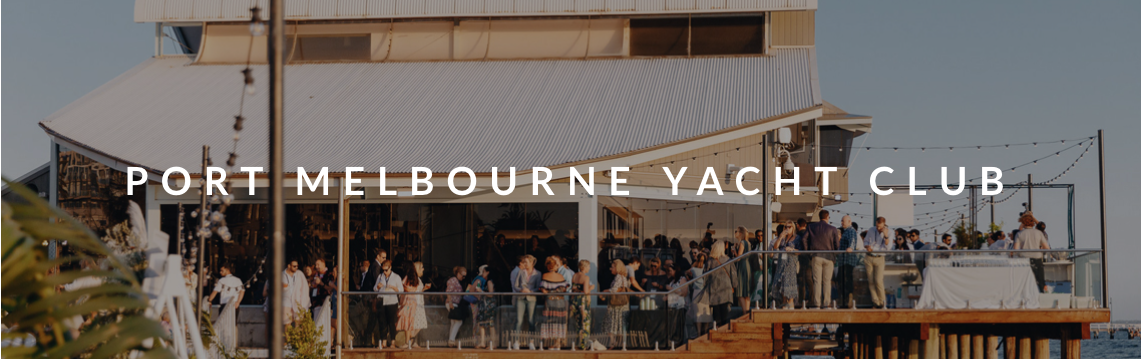
![Crowd of people gathered outside the Port Melbourne Yacht Club during sunset.]()
“Future Food proved to be a highly capable Consultant to the Club as they guided and assisted us through the process to identify and appoint a new onsite function / catering partner for the Port Melbourne Yacht Club.”
Cliff Rothwell, Secretary
Port Melbourne Yacht Club -
![Logo with stylized text 'Kedron-Wavell' and a signature-like element.]()
”Overall, it's a fantastic report with a constructive assessment on the current situation and some sound insight into the future. I know the board will love the document!”
Lyndon Broome, General Manager
Kedron-Wavell Services Club -
![Logo for the multimedia wrestling club, featuring a stylized silhouette of a wrestler in a wrestling stance beside the text.]()
"The Mulwala Water Ski Club engaged Future Food to appraise and make recommendations to our Food and beverage offerings. Allan Forsdick conducted a thorough investigation of the Club’s food and beverage outlets and forwarded a comprehensive report to the Board of directors with his many recommendations for improvement. It was evident by Allan's report of his expertise in the area of Food and beverage, his eye for detail and his knowledge on quality service. Allan's recommendations have been implemented with the result of increased patronage, increased revenue and numerous compliments of our food and service.”
Peter Duncan, CEO
Mulwala Water Ski Club -
![]()
We engaged Future Food to support our Catering Contractor EOI process and were really happy with the how it all came together. Allan was great to deal with, professional, approachable, and clearly very experienced in the space. He helped us connect with the right operators and kept the process clear and well managed throughout, which made a huge difference. Overall, a really positive experience and a strong result for the club.
Mark Irrgang, Hospitality Operations Manager, Doyalson Wyee RSL Club