OUR PROJECTS
Cronulla RSL
Sydney
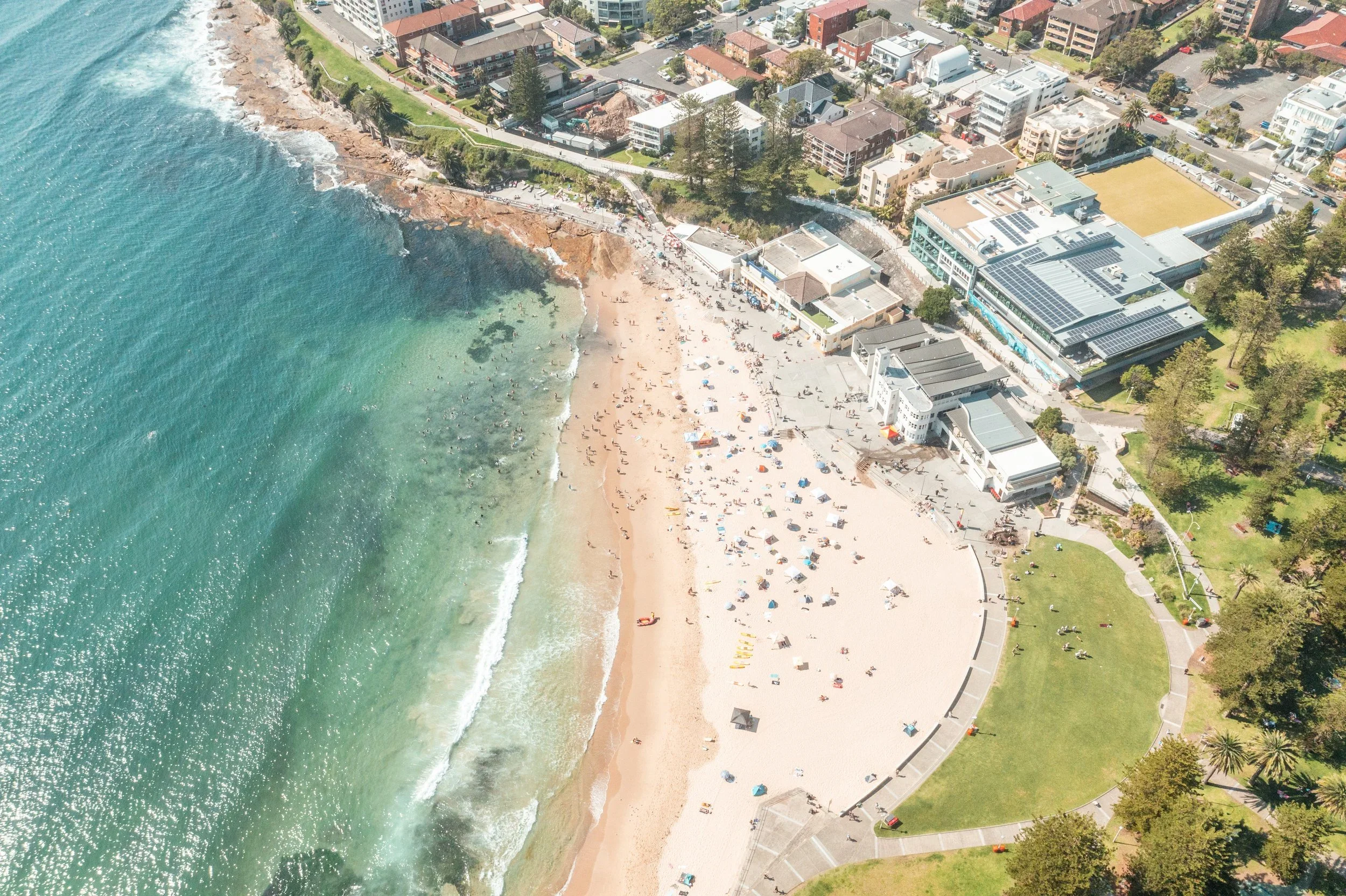
Future Food was engaged to deliver a comprehensive Food & Beverage masterplanning strategy for the redevelopment of Cronulla RSL, one of Sydney’s most prominent waterfront club sites. Positioned directly on the esplanade with panoramic coastal views, the Club occupies arguably the most valuable hospitality address in the Sutherland Shire. The brief centred on defining a sustainable F&B vision, forecasting revenue potential, reviewing the proposed concept scheme, and aligning back of house infrastructure with long term commercial ambition.
Food & Beverage Masterplanning Case Study
Our analysis identified a total hospitality market of approximately $1.2 billion within the defined trade area, with a direct addressable opportunity exceeding $50 million annually. Based on achievable market share and realistic capture rates, we modelled sustainable F&B revenues of up to $30 to $32 million per annum under an optimised, diversified venue mix. This modelling was underpinned by demographic analysis, competitive benchmarking, spending profiles, and an in depth review of more than 80 venues within a 1 kilometre radius.
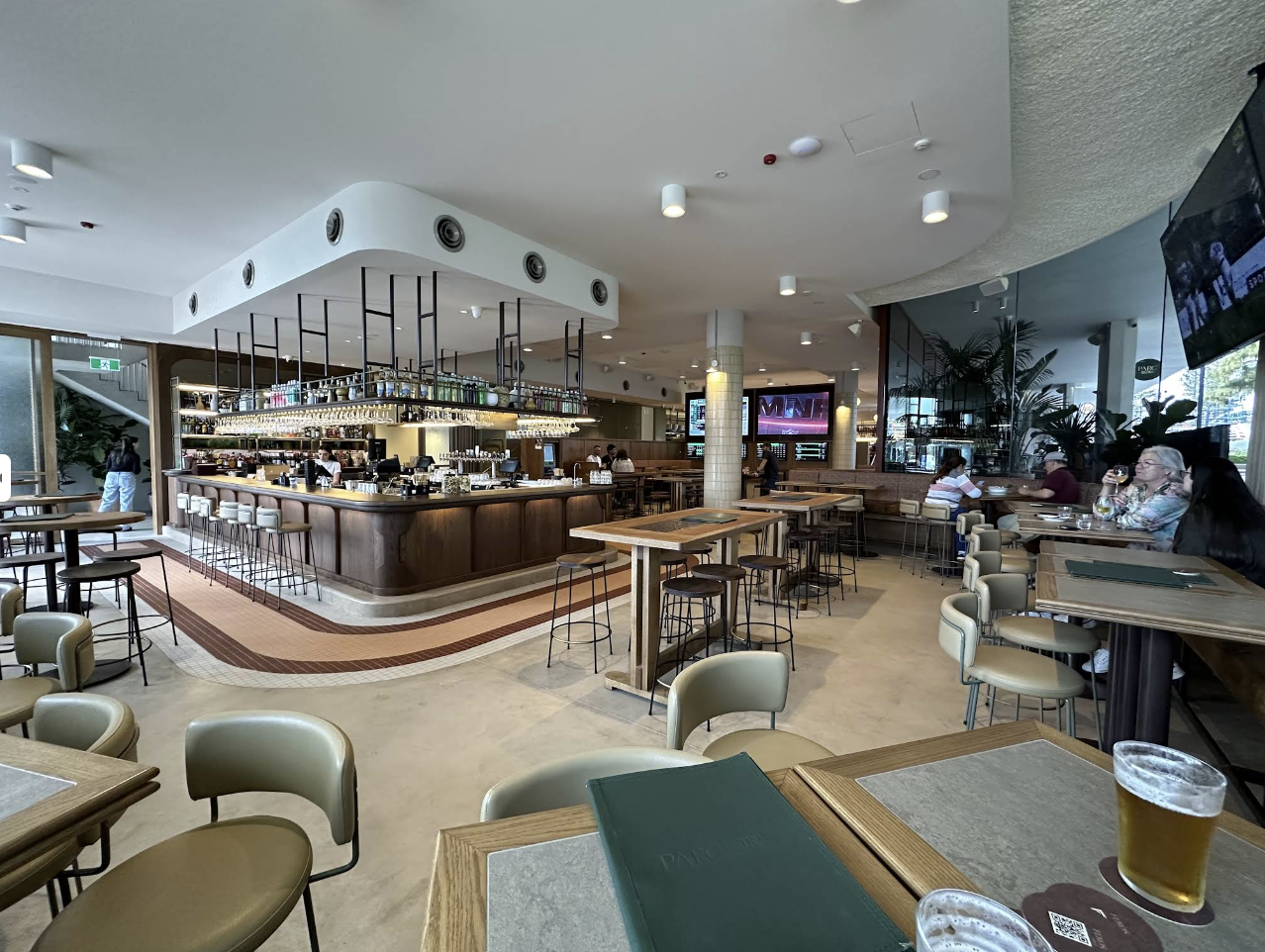
A key finding was that the initial architectural scheme, anchored by a single primary restaurant and central bar, risked under leveraging the scale of the opportunity. The Cronulla market demonstrates strong appetite for design led, experience driven venues, particularly those offering outdoor dining, rooftop activation, and differentiated beverage identities. Competitors such as Parc Pavilion illustrate the power of a multi venue portfolio approach, combining casual, premium, rooftop, and event driven formats within one cohesive precinct.
Future Food recommended a layered hospitality model comprising a premium coastal restaurant, a high volume casual dining venue, an esplanade facing café trading beyond club hours, a rooftop bar or terrace lounge, and flexible function spaces with independent kitchen capability. Central to unlocking this potential was the introduction of a rationalised back of house strategy, including a central kitchen hub, integrated storage, efficient vertical transport, and clear separation of goods in and waste out circulation.
The resulting masterplan reframed Cronulla RSL from a traditional club environment to a hospitality first coastal precinct. By aligning infrastructure, design, and commercial modelling, the strategy positioned F&B as the primary growth engine of the redevelopment, driving visitation frequency, dwell time, and long term financial sustainability.
Cronulla RSL – Stage 2 Functions & Events Study
Following the successful completion of the Stage 1 F&B Masterplan, Future Food was commissioned to undertake a detailed Functions & Events Planning Study to validate the commercial potential of the proposed event facilities and refine their configuration in line with the Board’s redevelopment vision.
The brief centred on independently forecasting revenue based on the revised floor plans, analysing the competitive landscape, reviewing optimal room sizing and configuration, and assessing parking and infrastructure requirements. Our study examined the coastal corridor from Cronulla to Rose Bay and confirmed that while the broader Sydney market is competitive, the number of genuinely comparable waterfront venues in the southern catchment remains limited. Key competitors include Doltone House Sylvania Waters, The Founders Room at Wanda Beach, and St George Motor Boat Club, with approximately a dozen comparable venues overall.
Based on benchmark analysis and a detailed pro forma model, we identified a best case revenue ceiling of approximately $7.5 to $7.7 million per annum for a redeveloped centre operating at optimal capacity. For planning purposes, a more conservative and realistic expectation of $4.0 to $4.5 million per annum was recommended, aligning with industry medians and club based benchmarks. The modelling assumed 572 events per annum, representing a 32% increase on current volumes, alongside a significant uplift in average event revenue driven by repositioning towards larger scale, higher value events.
Importantly, our review found that the proposed capacities of approximately 150 to 280 guests for cocktail events and 140 to 200 for banquet events place the venue within a well supplied segment of the market. As such, differentiation must rely not on scale alone, but on waterfront outlook, architectural quality, AV capability, operational flexibility, and integrated F&B execution.
The Stage 2 study provided CRSL with a commercially grounded roadmap, highlighting the performance uplift required, identifying spatial refinements to improve flexibility, and positioning the Functions & Events Centre as a significant long term revenue driver within the broader redevelopment strategy.